FOOD & CULTURE
Its place in Balinese food culture
BRIN describes Base Genep as a traditional Balinese spice mixture and documents its connection with both Balinese cuisine and ritual life. Recipes are not identical from one household to another: proportions and additions vary, so it is better understood as a spice system than one rigid formula.
What it tastes like
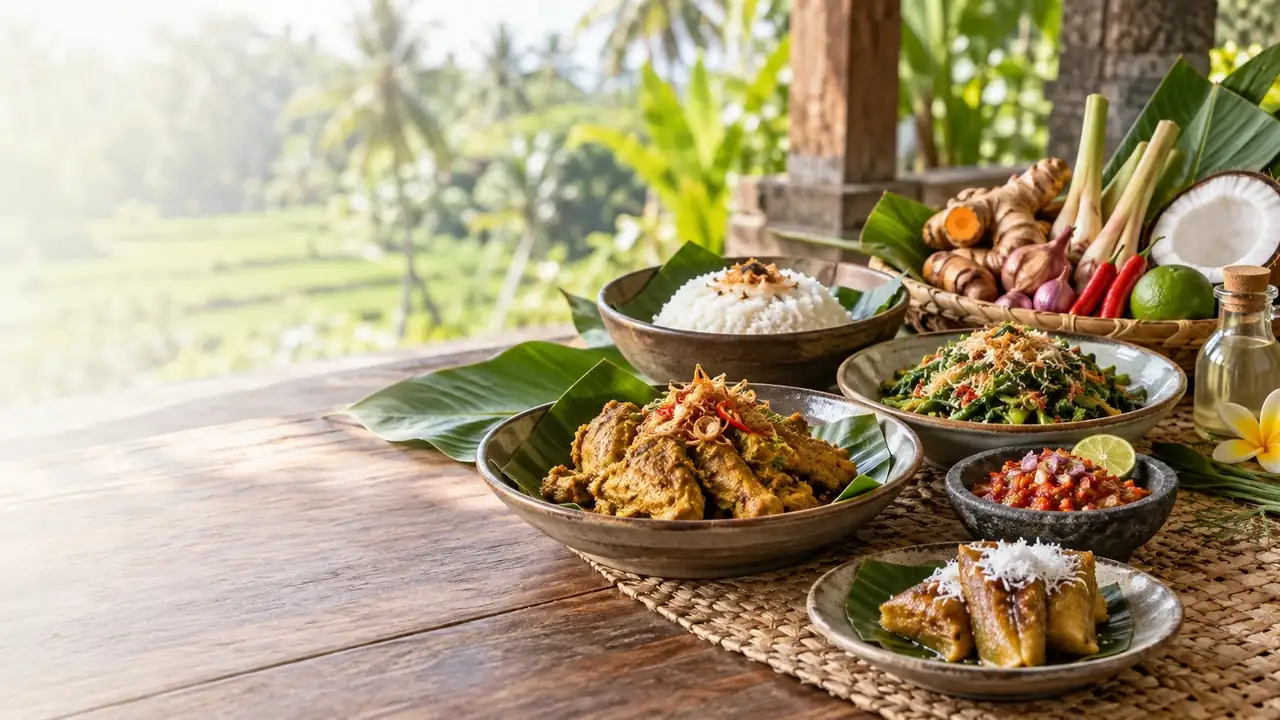
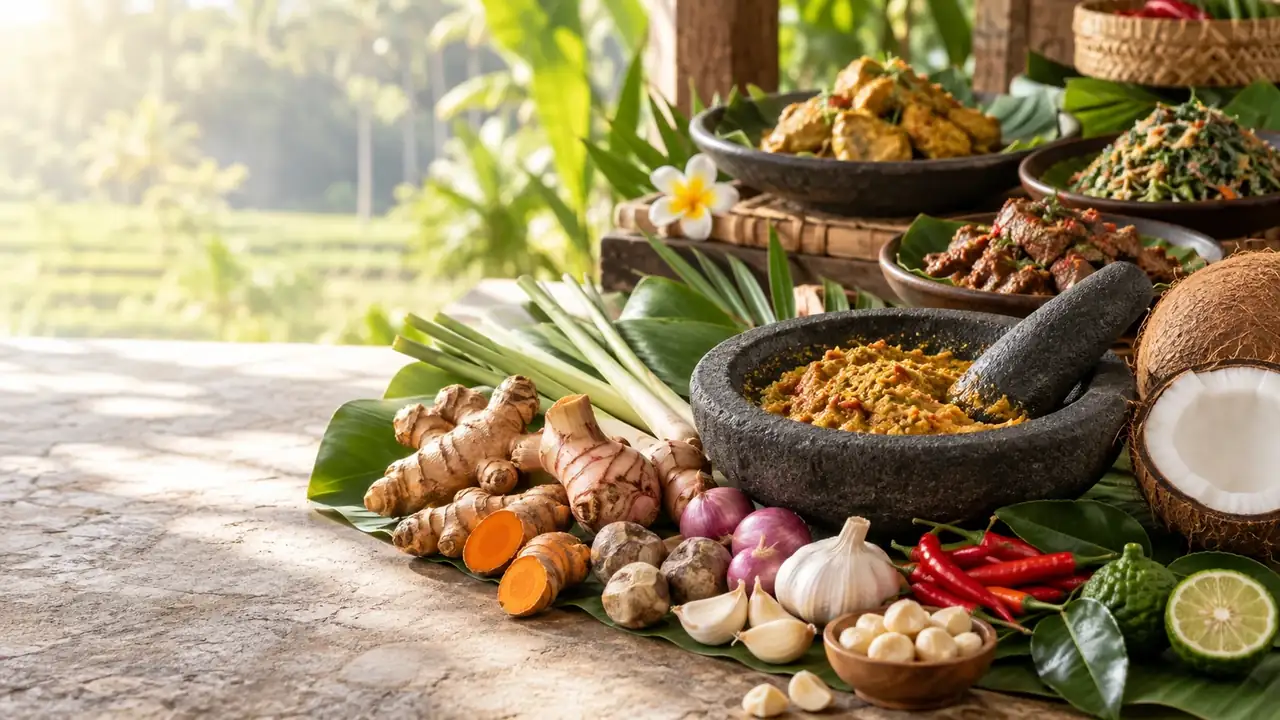
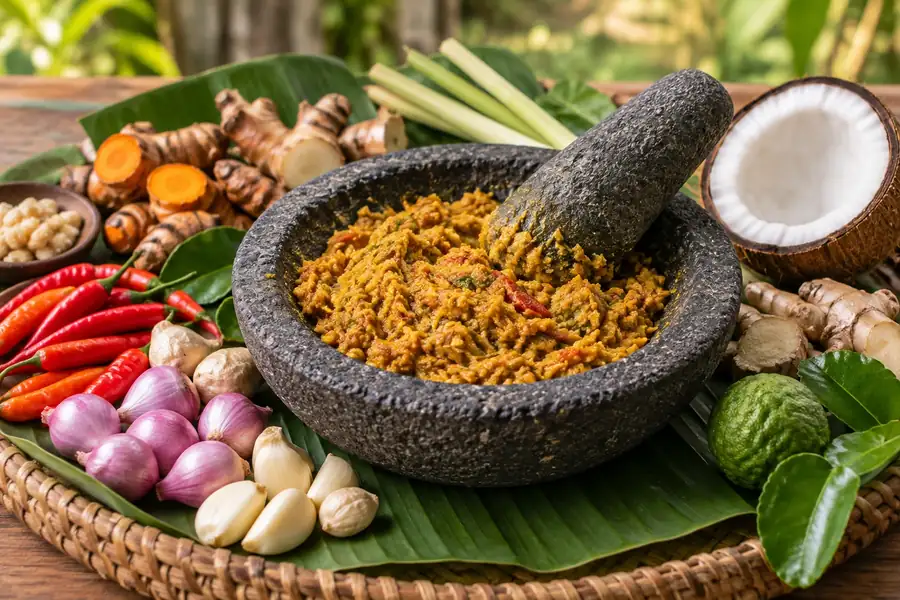
Fresh turmeric, galangal, ginger, kencur, shallot, garlic and other aromatics can create earthy, citrusy, warm and savoury layers. Chilli can be adjusted so the class can focus on aroma and balance rather than simply heat.
Traditional technique and what you learn
The most important lesson is preparation: trimming fresh roots, slicing them evenly, understanding what each aromatic contributes, then pounding or grinding the mixture until the texture becomes cohesive. A stone mortar makes the process tactile and lets you smell the paste change as the ingredients break down.
How it works in your private class
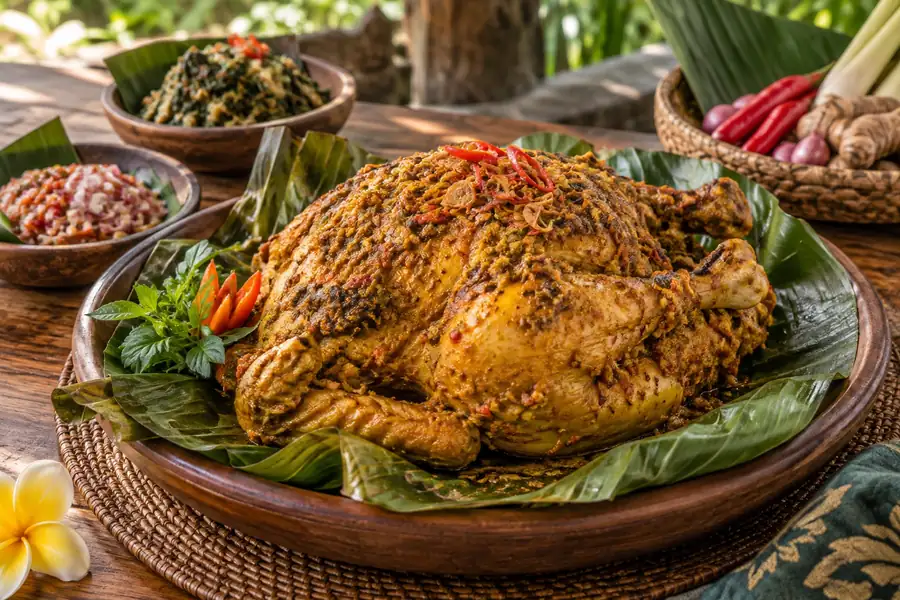
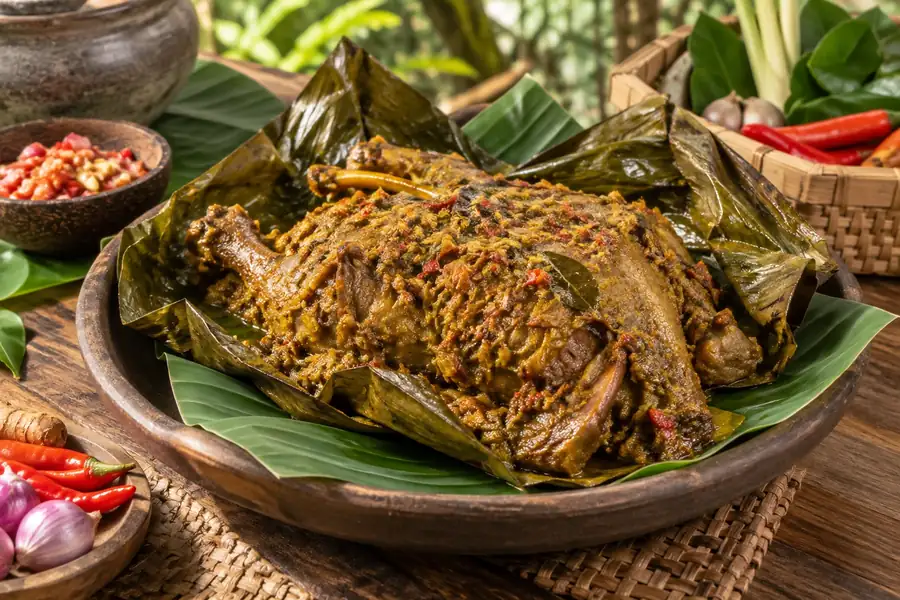
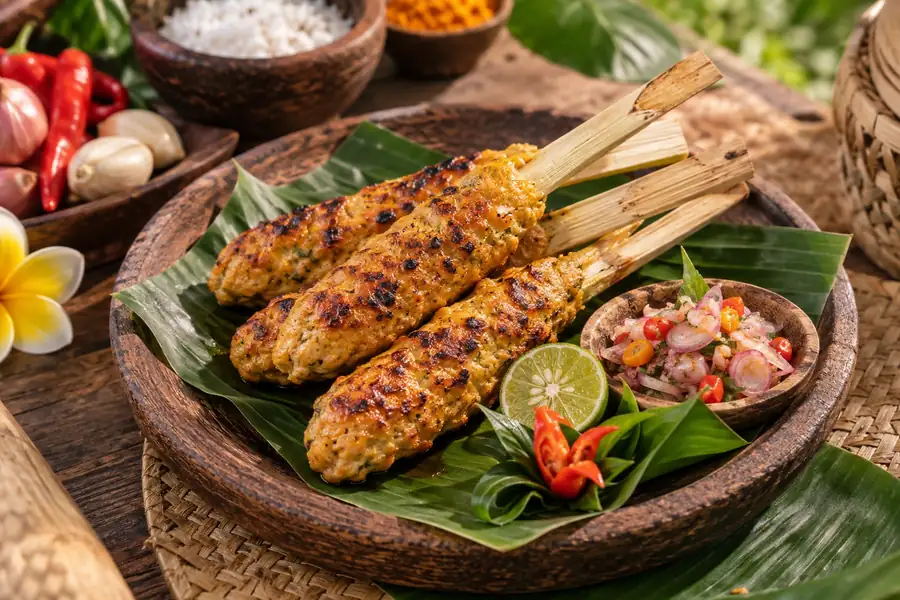
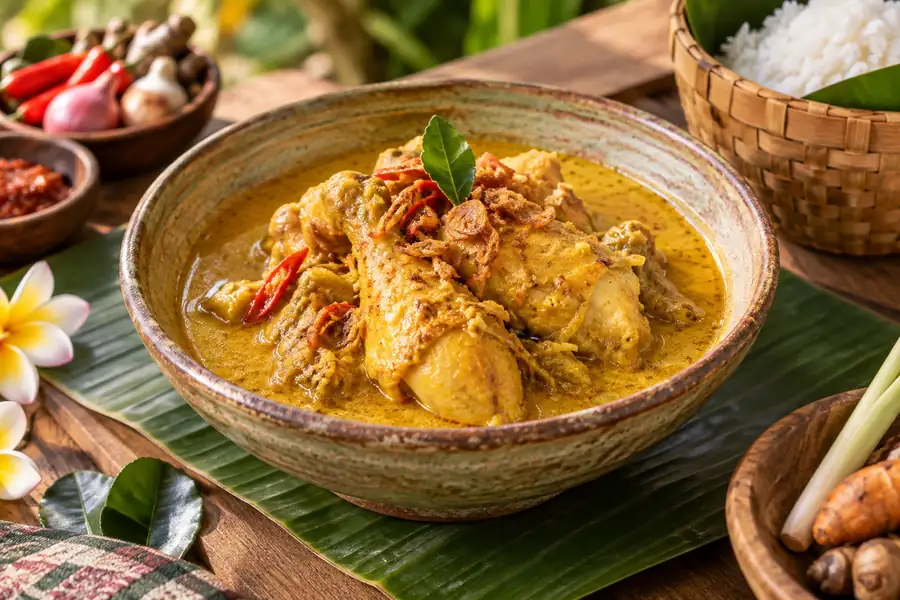
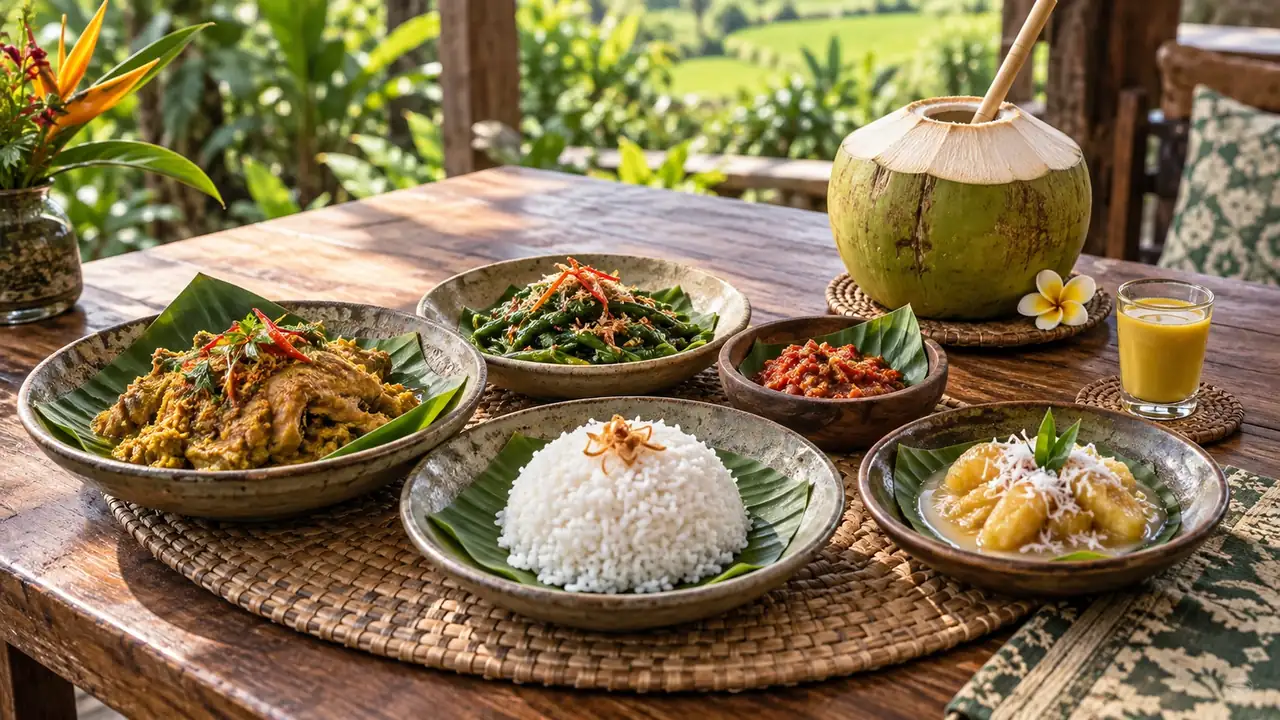
At Wayan's Paon, Base Genep can be taught as a foundation skill before you use it in dishes such as Betutu, satay, curries or vegetable preparations. It counts as a cooking skill rather than one of the 30+ dish choices, so learning it adds technique without taking away one of your selected dishes.
Dietary and ingredient notes
The spice paste itself can be prepared vegan-capable. Individual applications may include shrimp paste, meat stock or other non-vegan ingredients, so tell us your dietary needs before the class.